ISBNs in South Africa: What You Need to Know
ISBNs in South Africa: What You Need to Know
Written by Angela Candler
If you’ve ever stared at the words “You need an ISBN” and thought…
Okay cool but… what even is that?
You’re not alone.
ISBNs often feel confusing, expensive, and wrapped in publishing-industry fog. But once you understand what they’re for and when you actually need one, they become surprisingly simple. Even better, understanding this can save you both money and unnecessary stress.
Here’s the part many South African authors don’t realise:
South African authors (living in SA) do not have to pay for ISBNs.
ISBNs are issued free of charge through the National Library of South Africa (see our membership resources). No bundles. No hidden costs. No gatekeeping. If you’re publishing from South Africa, this is your right as an author.
An ISBN is simply a tracking number for your book. It helps bookstores, libraries, and distributors identify a specific format of a title. One ISBN per format. Paperback, eBook, hardcover. Each gets its own number.
This guide breaks down what an ISBN is, when you need one, when you don’t, and how it works in South Africa.

What is an ISBN?
ISBN stands for International Standard Book Number.
It’s a unique number that identifies a specific book and its edition, kind of like a book’s ID number in the publishing world.
It’s used by:
- Bookstores
- Libraries
- Distributors
- Wholesalers
- Online retailers
- Cataloguing systems
An ISBN makes your book easier to track, list, sell, and stock.
What an ISBN DOES (and DOESN’T) do
An ISBN helps you:
✔ Sell through bookstores and distributors
✔ Be listed in catalogues and databases
✔ Look “retail ready”
✔ Make your book easier to order and stock
An ISBN does NOT:
✘ Prove copyright ownership
✘ Automatically get your book into bookstores
✘ Replace a barcode (though it’s used to generate one)
Do you need an ISBN as a South African indie author?
Sometimes yes. Sometimes no.
Here’s the simplest way to decide:
You DO need an ISBN if:
You want your book stocked in bookstores
You want to sell through distributors or wholesalers
You want your book listed in libraries
You are selling print books professionally (especially via retail channels)
You want your book to look industry-standard and widely accessible
You may NOT need an ISBN if:
You’re only selling through Amazon Kindle (KDP eBook)
You’re selling directly to readers via your own store/website
You’re publishing a free reader magnet or giveaway
You’re doing a very small/private print run for personal use
One ISBN per format (yes, really)
This is the part that catches many authors off guard:
Each format needs its own ISBN
So, if you publish:
- Paperback = 1 ISBN
- Hardback = 1 ISBN
- eBook (EPUB) = 1 ISBN
- Audiobook = 1 ISBN
Even different editions count too, for example:
- A revised version of your book
- A special anniversary edition
- A new title/cover change tied to a new edition
Each one needs its own unique ISBN.
ISBN vs Barcode: What’s the difference?
ISBN = Identification
It’s the number assigned to the book edition.
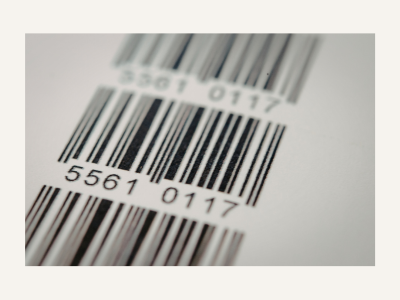
Barcode = Scannable code for shops
If your book is in print and sold in stores, it will need a barcode, which usually contains the ISBN.
Most designers can generate a barcode once the ISBN is confirmed.
Where do you get an ISBN in South Africa?
In South Africa, ISBNs are issued through the official national ISBN agency:
The National Library of South Africa (NLSA)
If you are publishing independently and want your ISBN to reflect you as the publisher (not a platform), this is the route you want to explore.
Should you use a “free ISBN” from a platform?
Some publishing platforms offer free ISBNs, but there’s a catch:
That ISBN may list the platform as the publisher, not you.
Free ISBN pros:
No upfront cost
Quick and simple
Works for that platform’s distribution system
Free ISBN cons:
Your publishing name may not be yours
You may have limited control over distribution
It can cause confusion if you move platforms later
If you’re building your brand long-term and want full ownership, it’s often better to use your own ISBNs.
Do ISBNs affect credibility?
They can, yes.
Many bookstores, reviewers, and readers see an ISBN as a signal that:
Your book is professionally published
Your book is trackable and orderable
You’re set up for retail distribution
It won’t magically make your book sell… but it helps you look ready.
Quick ISBN decision guide (save this!)
Ask yourself:
Do I want bookstores to stock this?
➡ Yes = get an ISBN
Am I printing paperbacks/hardcovers for wide sale?
➡ Yes = get an ISBN
Am I only selling direct or on Kindle or The Local Book Hive only?
➡ Maybe not necessary yet
Do I want my author brand to be the publisher?
➡ Yes = get your own ISBN (not a platform one)
Final thoughts for SA indie authors
ISBNs can feel like “one more expense,” but they’re really a tool.
If your goal is:
- Bookstores
- Distribution
- Libraries
- Wider reach
Then ISBNs are part of the indie author toolkit.
And if you’re still building, testing, or starting with direct sales, you can grow into ISBNs later. Indie publishing is not one-size-fits-all, and you’re allowed to choose the path that works for your book and your budget.
SAIAA Tip: You don’t have to figure it out alone
The South African Indie Author Association exists to make publishing clearer, kinder, and more accessible for local writers.
If you’re unsure what your next best step is, join our community and let’s build your publishing plan together.
Together we rise, one local story at a time.
Need help deciding if your book needs an ISBN?
Join SAIAA by clicking here and connect with indie authors who’ve been there, done that, and survived the admin.
